
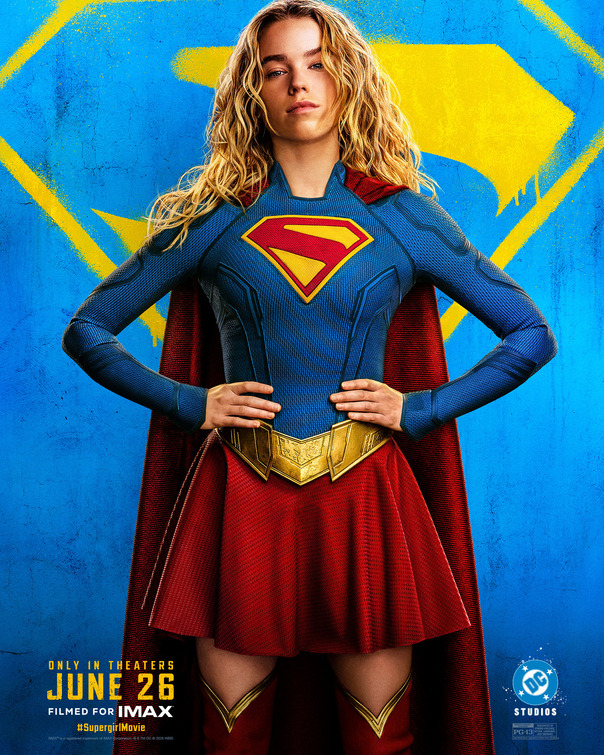
It’s a bird, it’s a plane, it’s…not Superman, but his cousin. Kara Zor-El (Milly Alcock), better known as Supergirl, has no desire to settle down on Earth like the Man of Steel. She’s turning 23, and she just wants to celebrate her impending birthday by planet hopping and getting inebriated at watering holes with her beloved canine, Krypto, by her side. Screw being responsible. A wrench is thrown in her intentional aimlessness crusade when a young girl, Ruthye (Eve Ridley) wanders into a bar where Kara is minding her business asking bargoers for help.
Ruthye has revenge on her mind as she pursues Krem of the Yellow Hills (Matthias Schoenaerts), a vicious space pirate raider responsible for murdering her family. Reticent to not get involved even after protecting Ruthye against annoying patrons, Ruthye’s revenge mission becomes Kara’s when Krem poisons Krypto with a slow-acting but painful paralyzer that will eventually kill the lovable companion in 72 hours. With Krem the only person who has the antidote, Kara and Ruthye set off in search of him. In the process, Kara is forced to look inside as to why she’s running from her responsibilities.
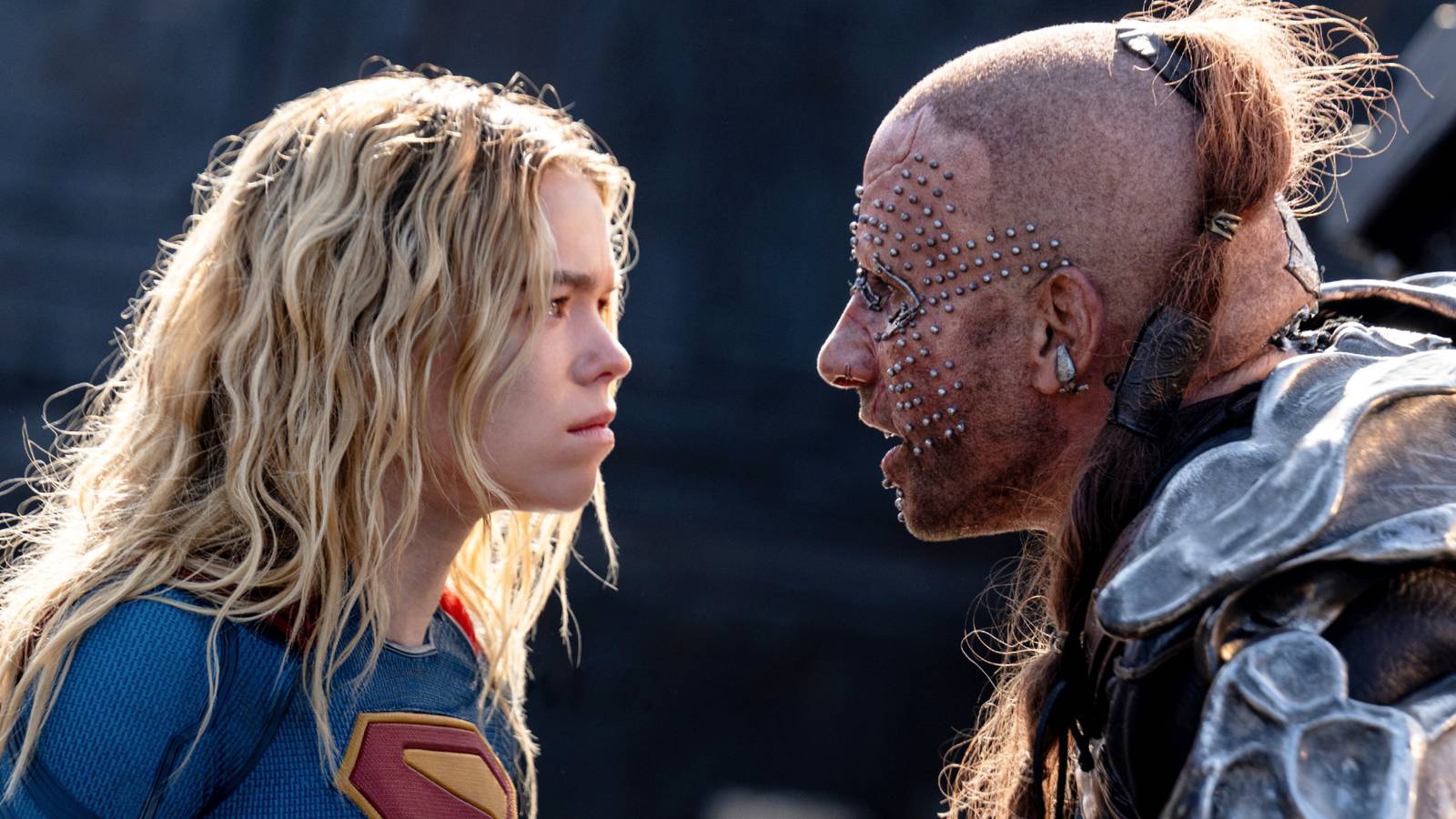
The success of the Marvel Cinematic Universe from 2008-2019 will never be replicated again. But it’s no surprise that the leaders guiding Marvel and its biggest competitor in DC are continuing to chase those highs. In the year 2026, the reality is that the genre no longer dominates the box office nor does it drive the center of the business like it did in the 2010’s. Most of these movies, including Supergirl, just no longer feel like must-see events.
Outside of a larger budget in Cruella, filmmaking veteran Craig Gillespie has done well with movies carrying small to medium price tags. Regardless of the monetary specifics, whether it be the aforementioned prequel to 101 Dalmatians, the Fright Night remake, or biographies like I, Tonya or Dumb Money, his movies may not always work front to back, but I’ve found that most of his features do carry a brash and slightly unorthodox energy that can be endearing in spots, obnoxious in others. Similar to DC head honcho James Gunn, he loves needle drops, and Supergirl has no shortage of them. For every big action sequence, expect licensed music to accompany them. While it was cute and made narrative sense for Star Lord in Guardians of the Galaxy to use music as a means to maintain connection to Earth, in Supergirl there’s really no reason why so many tunes are needed. Using them liberally actually nullifies what is a sneaky good score by Claudia Sarne that surfaces here and there.
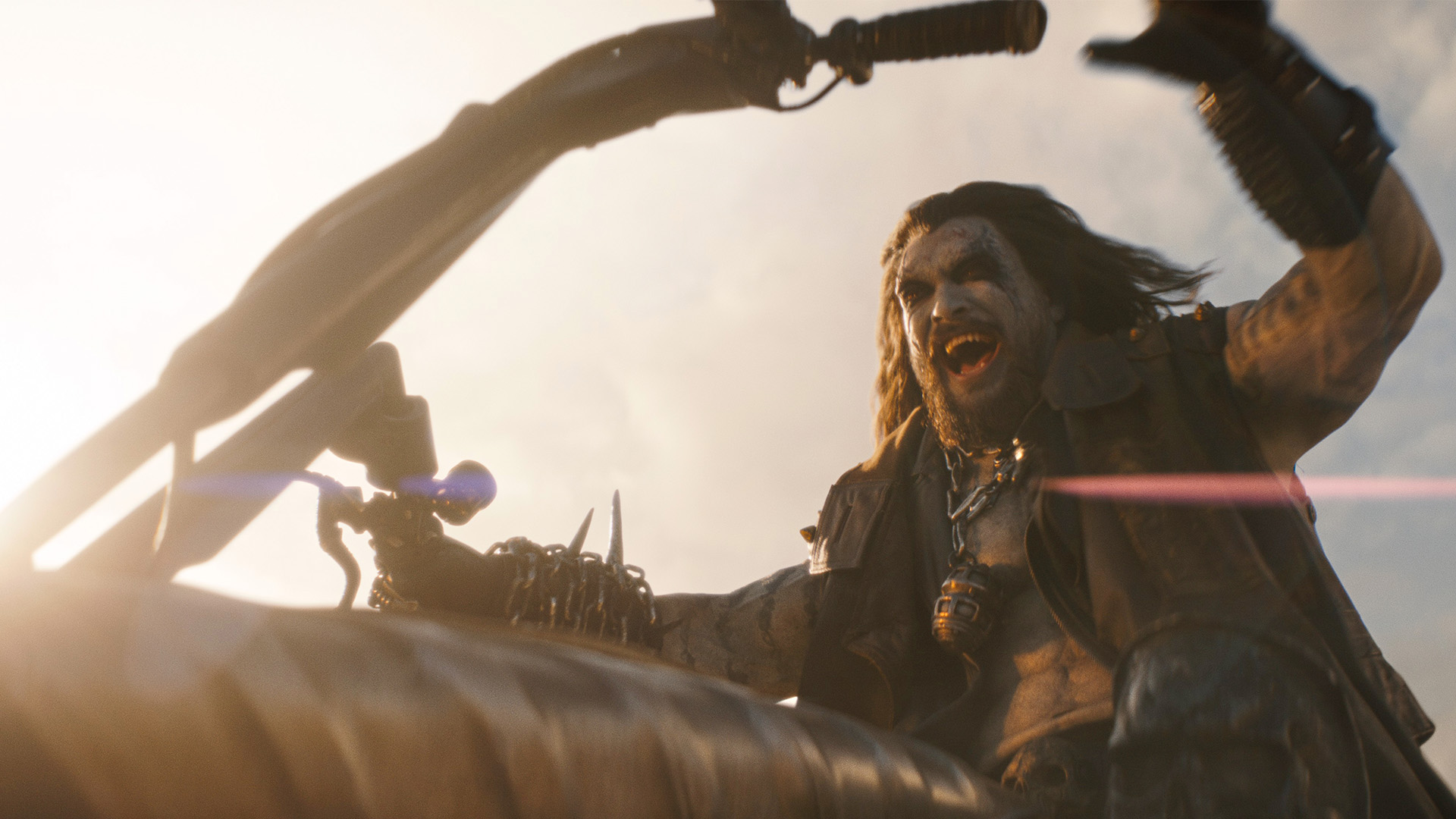
James Gunn’s Superman worked for some and not for others, but it looked and felt like a live action comic book with its vivid colors and diverse locales; it rarely was a chore to look at. Despite the planet hopping, the same cannot be said for Supergirl, awash in shades of drabby brown and grungy gray. This gives large chunks of the movie an indistinguishable trait. All of this combined with an oft-seen genre narrative (responsibility-averse superhero deals with their demons and emerges by end the hero they’re supposed to be), a bare bones villain in appearance and characterization, and a nondescript teen sidekick amount to a film that wraps up in the way you’d expect it to. Jason Momoa provides a little chaotic energy, yet is extremely inconsequential to the story.
There are moments where Supergirl hits the narrative mark. The flashbacks writer Ana Nogueira uses to show how Kara became to be so jaded due to losing everyone she loves are well done, buoyed by wonderful work from David Krumholtz and Alcock. Scenes Alcock shares with David Corenswet strike the best balance between humor and heart. The failures of Supergirl shouldn’t be ascribed to Alcock, who does have the adequate charisma as the titular character, but the sparse writing does her no favors to showcase much dimensionality.
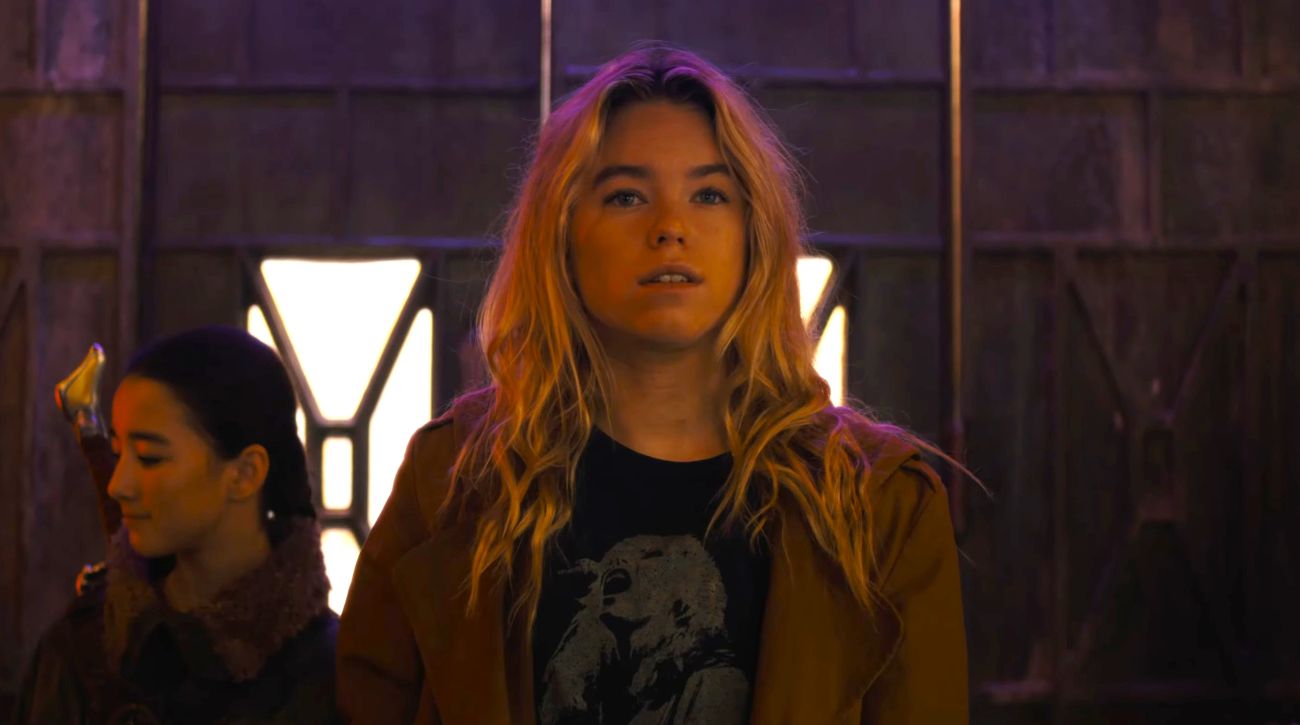
Supergirl is not as bad as the very underwhelming box office performance would lead one to believe. However, it’s really hard to muster the words, or care, to talk about it because its final product is aggressively mediocre. Unless you’re S or A-tier IP, to achieve critical and commercial success in a post-Avengers world it’s no longer enough to simply be attached to a Marvel or DC universe.
C-
Photo credits go to theplaylist.net. impawards.com, abc7ny.com, and screenrant.com.


Mark, nice to be here again. Supergirl was indeed a slog of a watch for me. The dystopian, depressing storyline and scenery just didn’t fly for me. The only time the movie soared was when Krypto was on-screen, but alas that time was not long enough. I did not have an issue with the anti-hero angle the studio wanted to go with for the lead character, but it just didn’t resonate with the rest of the movie being so anti-entertaining. Momoa was simply wasted here. I admittedly wasn’t taken with the casting of Milly Alcock, but I have to say considering the hand she was dealt here I thought she did well. Hopefully, Spider-Man can fly in at the end of the month to pull the comic book heroes we love out of this collective and creative funk they are in.
Welcome back Bruce! These days I’m a lot more selective with the superhero movies I go to see, it’s a far cry from that 2008-2019 period where they all felt must see. Even with some of them being middling in quality, they were either building to something tangible or at least, felt like they were made with more care, heart, and creativity.
I was hoping Supergirl could be on par with last year’s Superman at worst, but it really was the worst type of movie to sit through. It’s…functional I guess, but so forgettable.