
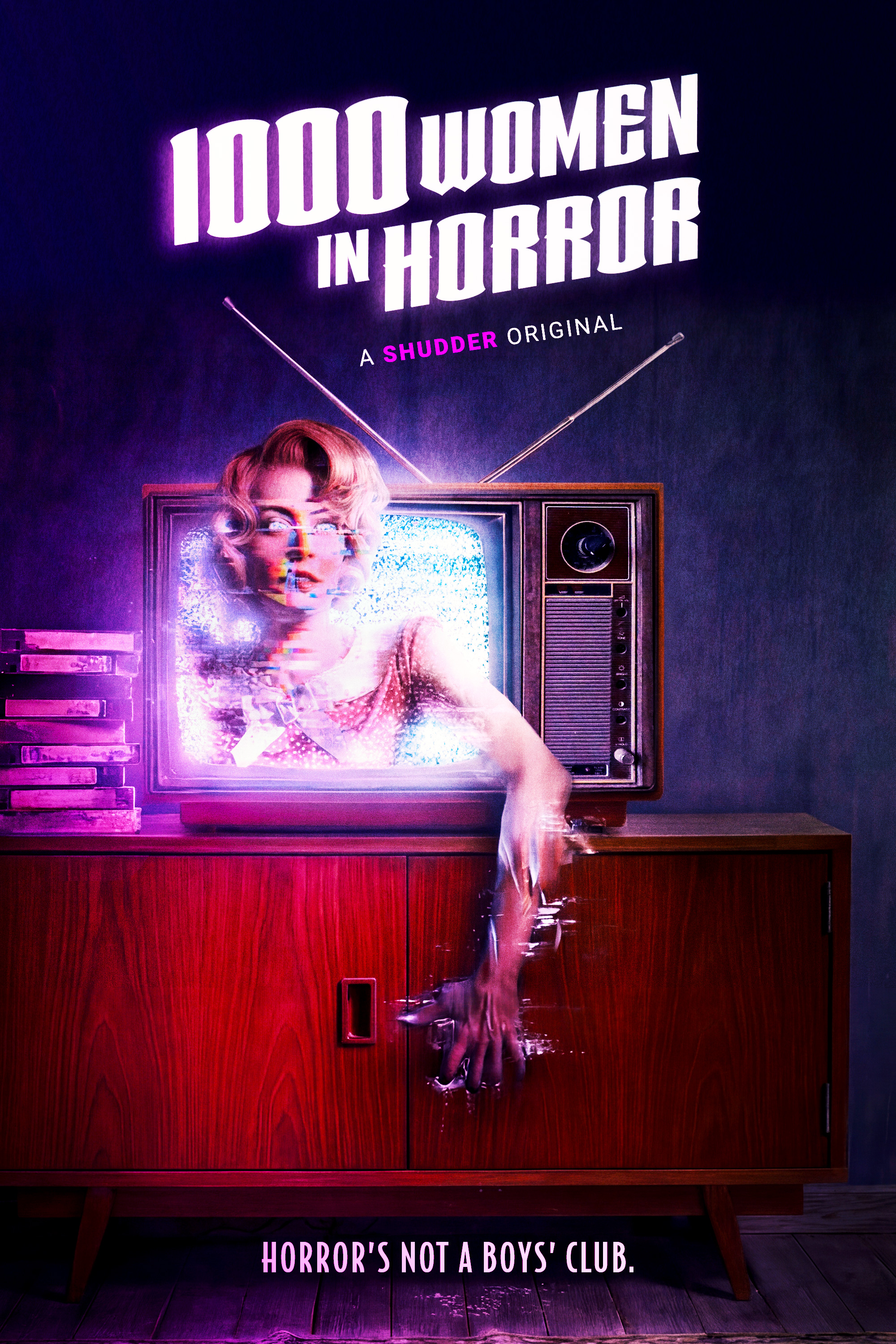
You can’t have horror without women. For over 100 years and counting, horror has been a movie category capable of scaring audiences, in addition to asking questions and holding a reflective mirror to society during different periods of time. Yet like many things in society, sometimes the impact women (and by extension, anyone who isn’t a man) have had in the success of the genre goes, if not quite unnoticed, then unappreciated. Published as a book in 2020 authored by Alexandra Heller-Nicholas, 1000 Women in Horror is remade into a documentary, giving prominent actresses, directors, and writers a voice and time to share their love of the vertical, how the past has inspired them, and how they hope to make their imprints larger for the the future.
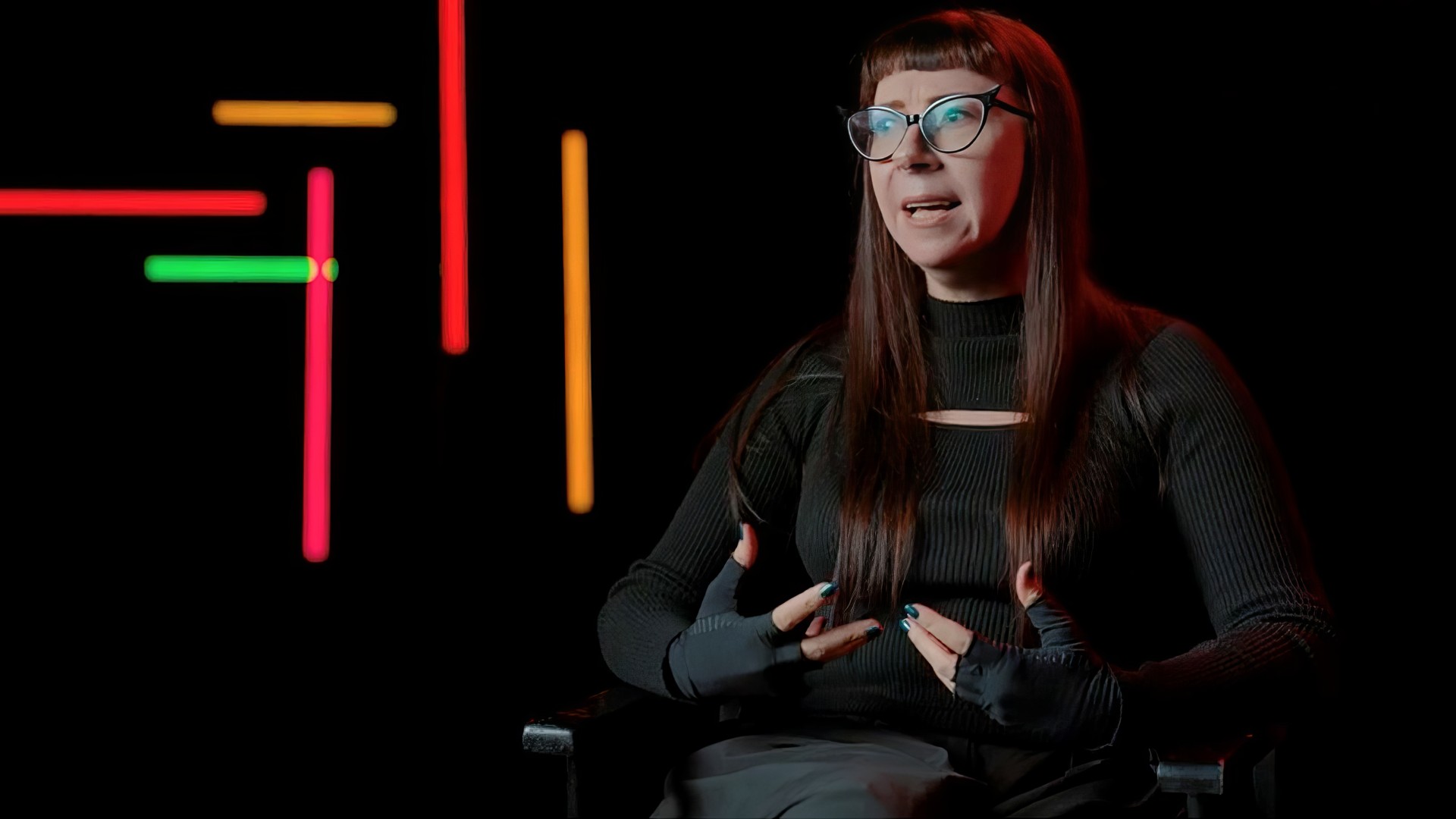
Shudder’s latest documentary has fittingly dropped during Women’s Appreciation Month. Written by Heller-Nicholas and directed by Donna Davies, the feature is framed around the general journey a woman has in life, starting as a young child, then progressing into adolescence, becoming a young adult, perhaps giving birth, and wrapping with old age. Throughout each of these sections, talking heads discuss parts of their lives, and/or drill in on specific movies highlighting the struggles accompanying women in these respective stages. Some of the analysis is eye-opening, and others I think the average moviegoer could easily assess the meaning of particular films without the voiceover. Nevertheless, most memorably in the doc is a sequence where actress/writer Kate Siegel details her c-section in vivid, excruciating detail while her monologue is intercut with a famous birthing scene.
While the “lifespan” framing does give a generally cohesive element to the documentary, 1000 Women in Horror still only skims the surface with regards to the lasting impact women have made to features big and small. Clocking in at slightly over one and a half hours, the different sections can be a little grab bag-ey, a couple of blurbs here, one or two there, etc. At times, the movie comes off as being at odds with whether the core focus are the stars/filmmakers/writers who have contributed to the genre, or if the goal is to spotlight characters and concepts (i.e. Nancy Thompson, The Final Girl, etc.). Honestly, it’s probably hard to have one in this case without the other, but it further creates that feeling that at minimum, another part should have been added. Additional runtime might have given the opportunity too to hear more from global storytellers and trailblazers, surely with their own unique, lived-in perspectives.
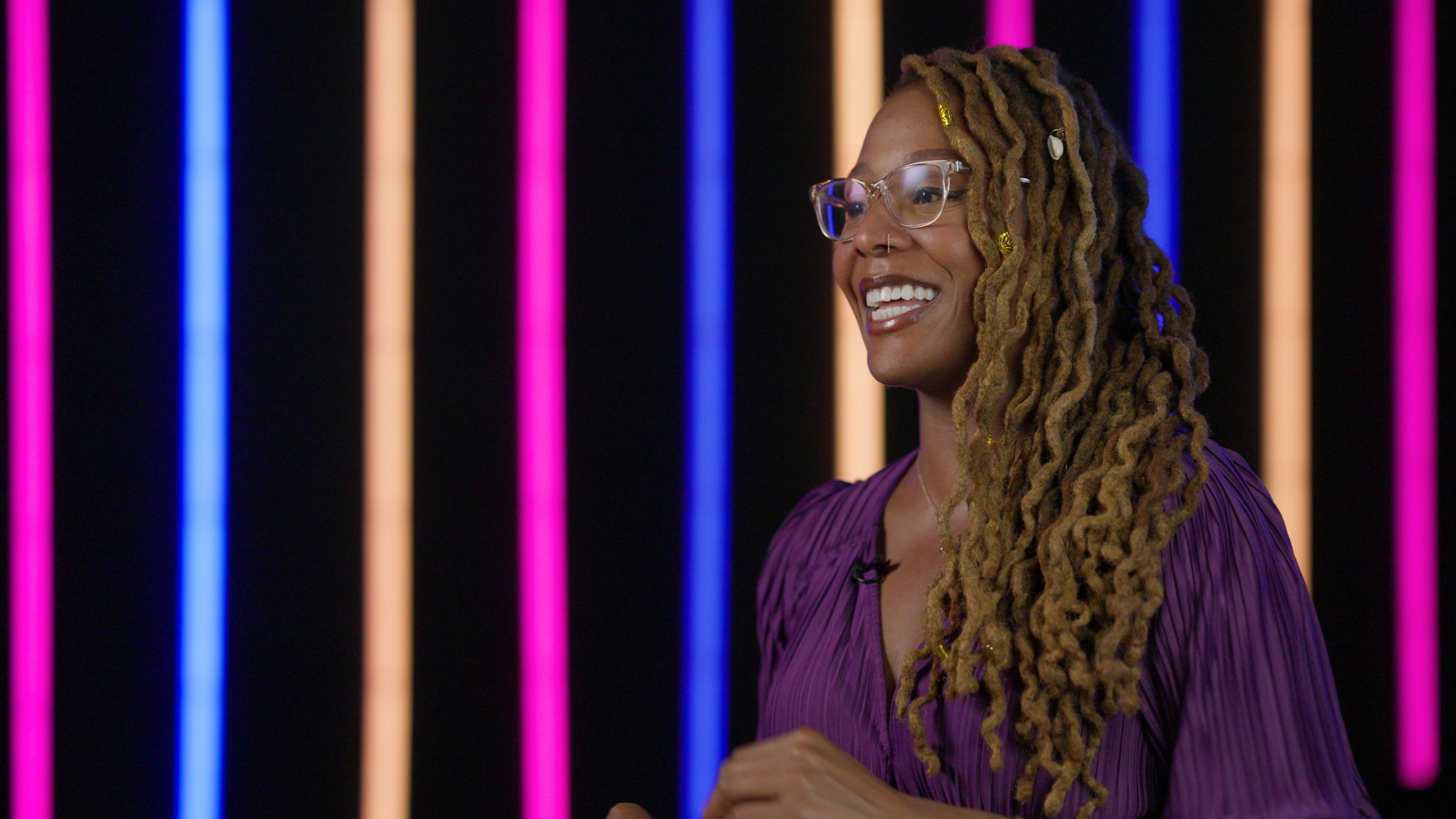
The best thing about the 1000 Women in Horror documentary is that though it is leaner on analysis, there are a bevy of compelling movies mentioned (quite a few deep cuts I had never heard of) that receive acknowledgement and are definitely worth adding to watchlists. Even if it’s in a roundabout way, the documentary achieves its goal by bringing hidden gems into the forefront. 1000 Women in Horror is streaming now on Shudder.
B-
Photo credits are courtesy of IFC Films.
 MMJ
MMJ 