

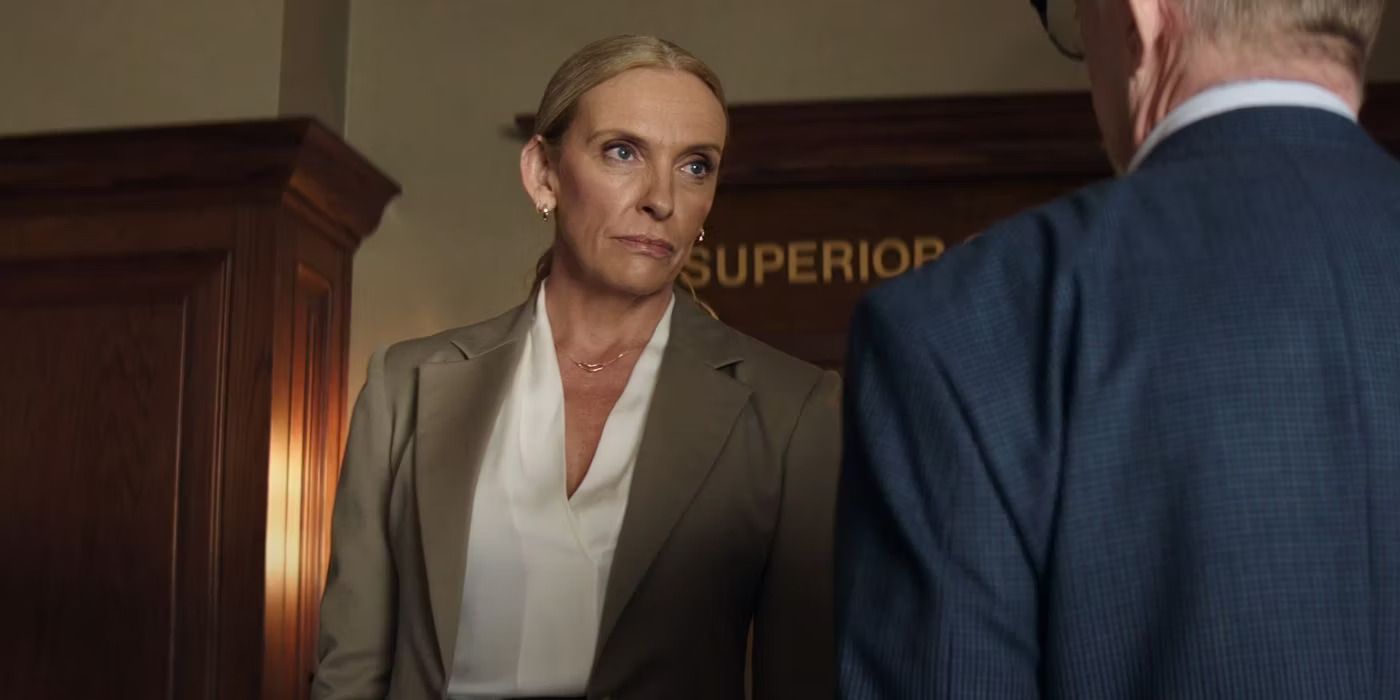
Jury duty is one the highest responsibilities of American citizenship, and as it’s been seen before, it can also be one of the most flawed pieces of an longstanding justice system. Savannah, Georgia is the host for one of the biggest public trials. The case concerns the death of Kendall Carter (Francesca Eastwood), tragically killed one year ago after a public bar fight with her boyfriend, James Michael Sythe (Gabriel Basso), currently the sole suspect. An eyewitness places Sythe at the scene of the crime. Prosecuting attorney Faith Killibrew (Toni Collette) believes this is an open and shut case, and the perfect case to spearhead her campaign to a district attorney win. Defense attorney Eric Resnick (Chris Messina) fights desperately to defend his client, operating in full belief that Sythe did not murder Carter.
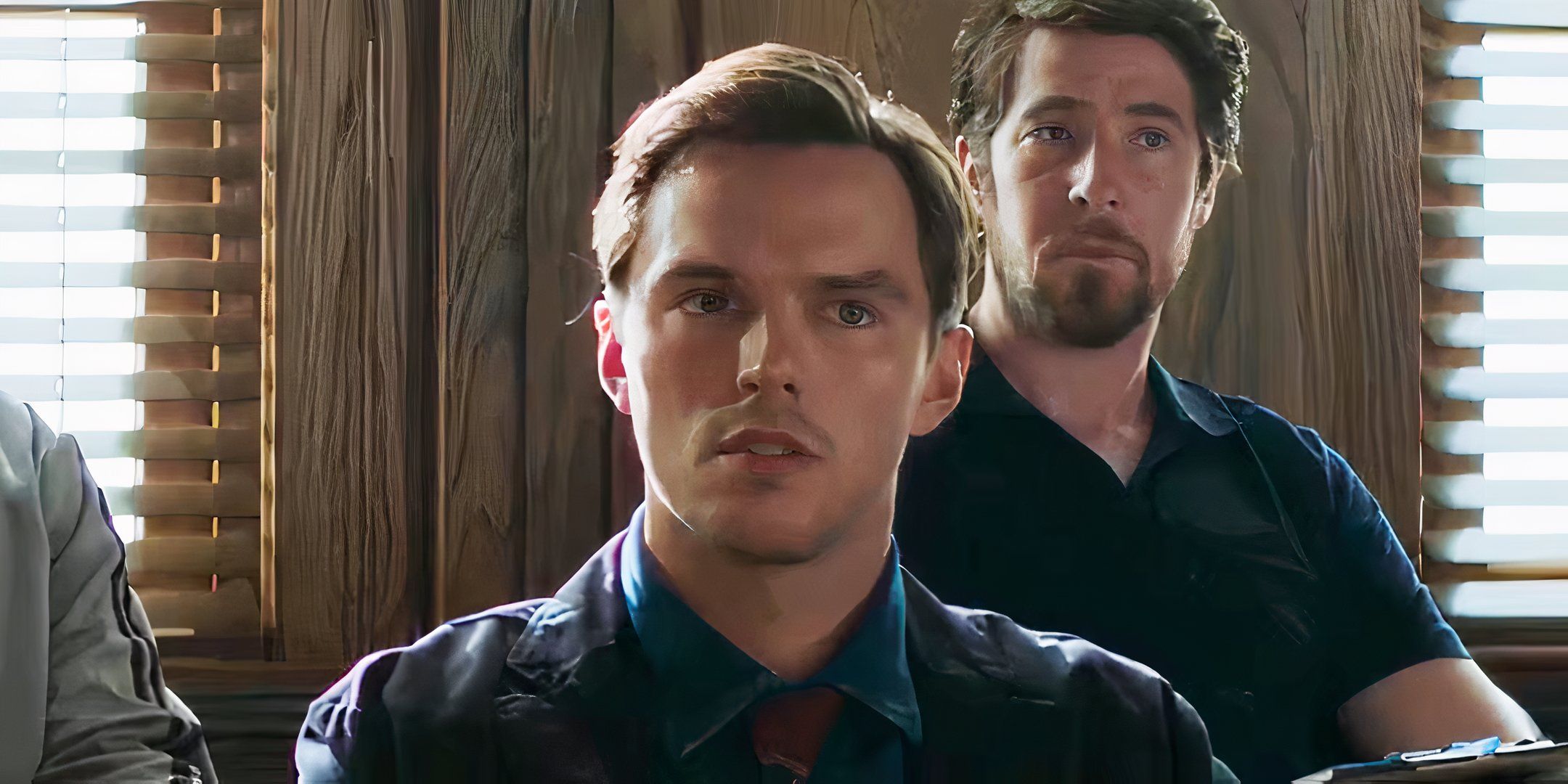
Juries can make or break a trial with their investment or lack thereof, and one of the jurors selected, Justin Kemp (Nicholas Hoult) is forced to be away from his very pregnant wife, Ally (Zoey Deusch). Still, jury duty calls and Justin can’t be exempt. As Juror #2, he, like all the jury, hears the testimonies and sees the evidence. Unlike the rest of the jury, Justin is far from impartial, and may be closer to the incident in question than anyone could believe.
Juror #2’s (very limited) release hearkens to a time when legal thrillers were en vogue and one would only have to wait a couple of years for the next John Grisham novel to be adapted and released to the silver screen. In that sense, it’s a breath of nostalgic fresh air that does manage to create a hooking premise. Of course, nostalgia alone doesn’t cover for some iffy choices and clunky decisions.
At 91 years old, there are few in Hollywood as workmanlike as longtime actor and director Clint Eastwood. Behind the chair one more go-around in Juror #2, Eastwood’s steady, almost intentionally flair-less approach is on display yet again. From the muted lighting to the sparse score from composer Mark Mancina, Eastwood puts the onus on his cast to do much of the heavy lifting for this tale—for better and worse. Certain spots of these types of movies where so much story and point-of-views being shown live are dependent on the effectiveness of the editing more so than the actual direction. On that front, frequent collaborator Joel Cox and David S. Cox do their best work when splicing events of the fateful night into the opening and closing statements of the prosecution and defense, providing Juror #2 with a real verve.

Not surprising, but Juror #2 naturally warrants comparison to Sidney Lumet’s 12 Angry Men. But whereas that film focused pretty squarely on the basic tenets of our legal system and even an optimistic belief in it, Juror #2 takes a more nihilistic position while introducing a personal element of morality, asking viewers to think about what they would do in Justin’s position and what they’d be willing to lose. So it is thought-provoking, but this thought provocation in writer Jonathan A. Abrams’ script comes at the expense of rushed pacing and illogical character actions and inactions taken. The movie itself has deliberate moments of dry dialogue humor, consistent in Eastwood features. However, those awkward decisions make the movie feel more schlocky than I imagine Eastwood and co. intended for it to be.
The cast Eastwood was able to assemble is quite astonishing, but also by and large underutilized. Hoult certainly gets a true opportunity to lead the film as the titular character, one who we equally get to know and empathize with but also condemn and dislike. Collette and Messina are casted appropriately as the win-at-all-costs prosecutor and the exhausted-but-resolute defense, their yin and yang dynamic fun to follow. Disappointly, Simmons and Sutherland never get the chance to make a notable impact as they’re either jettisoned quickly or there to explain how bad it can get for Justin, and Deusch’s character spends most of the runtime longing for her husband as they desperately hope the second time’s a charm for a successful delivery.
As a final verdict, if Juror #2 happens to be Eastwood’s final film, it is difficult to see it enduring as one of the director’s high points in his filmography. That said, his film sustains enough interest throughout in an incongruent way if you’re willing to overlook a few logical flaws.
C+
Photo credits go to impawards.com and screenrant.com.
Feel free to follow me on Letterboxd.
 MMJ
MMJ 